Baza 1 closes its tenth campaign with 124 fossils and two new large mammals
The tenth excavation campaign at the Baza 1 paleontological site, from September 21 to October 11, has extracted 124 fossil records and has located remains of giraffes and a hyena jaw still to be determined.
GranadaYa newsroom ·
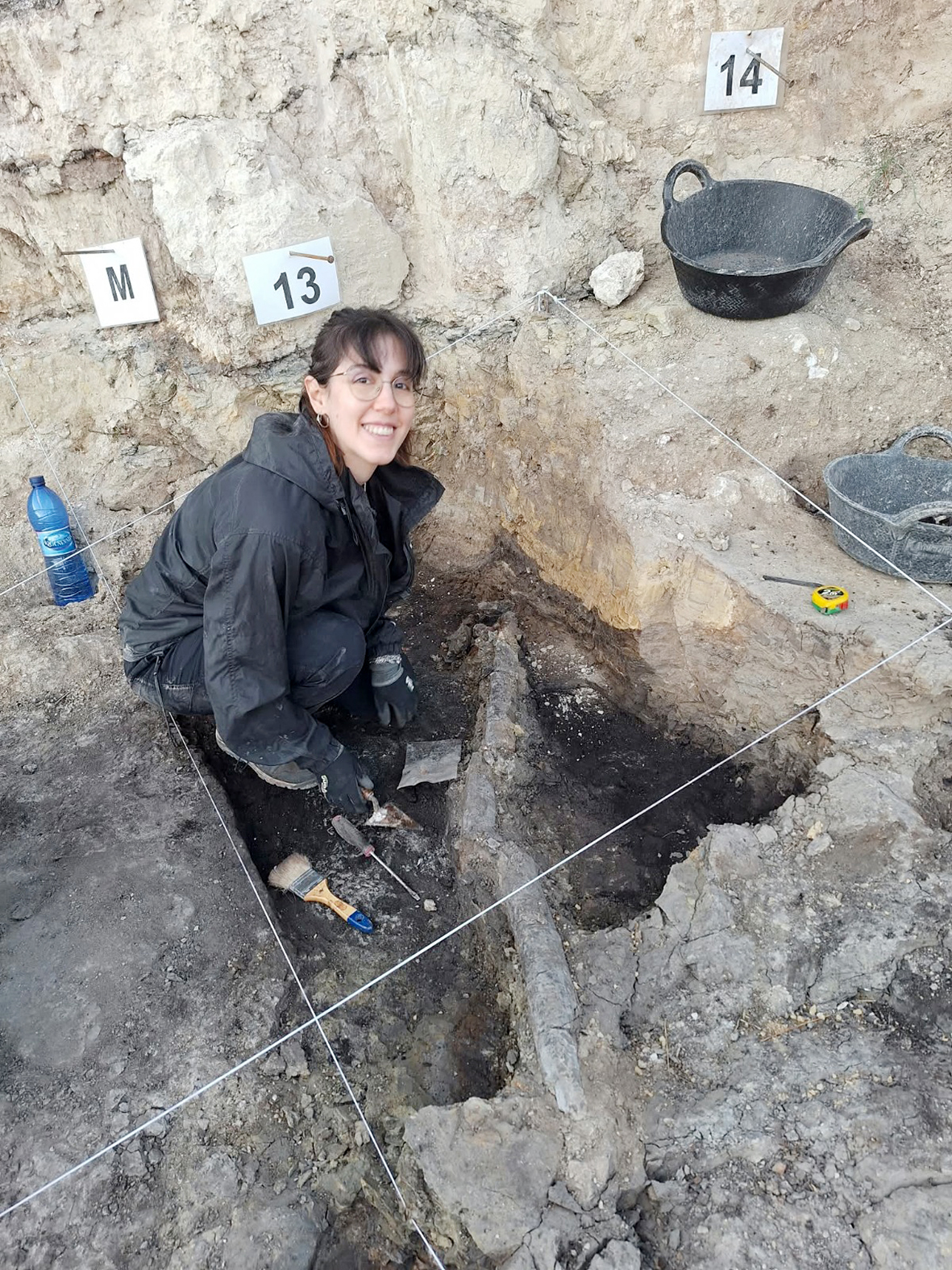
The Baza 1 palaeontological site has closed its tenth excavation campaign with 124 new fossil records, according to the Baza City Council. The work has been carried out from September 21 to October 11 and has been funded exclusively by the Baza council, within the General Research Project for the Study of the Pliocene of the Baza Basin, authorised by the Regional Ministry of Culture and Sport of the Junta de Andalucía.
Two new finds
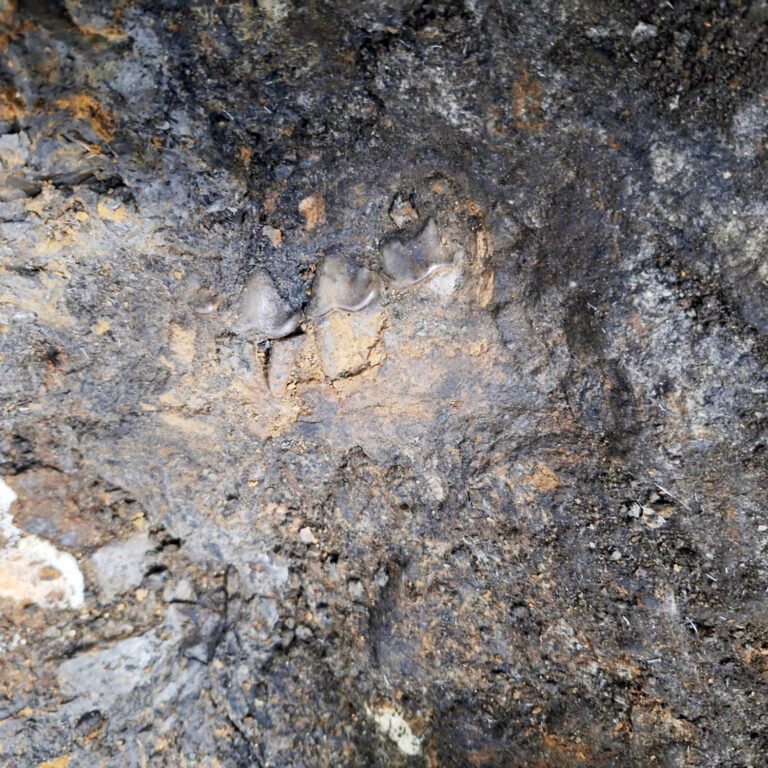
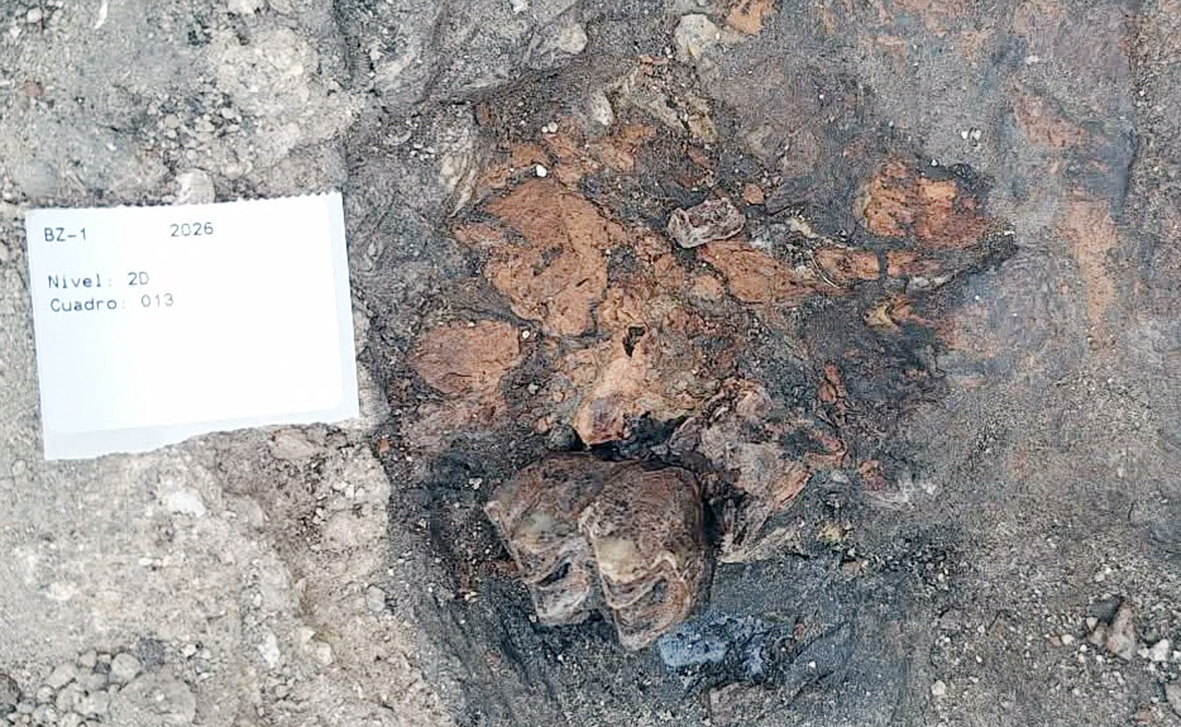
Among the results of this campaign, the cranial and mandibular remains of giraffes and a very complete hyena jaw stand out. They are two species of large mammals still to be determined, pending the cleaning and preparation of the remains for study.
The work has included a significant extension of the excavation cut, especially of the south-western sector, to reach the grids of the lower levels, rich in fossils, in particular Stratigraphic Unit 2. Excavation has also continued in the upper levels of Stratigraphic Unit 5, where remains of mastodons of the species Anancus arvernensis abound.
28 participants from eight countries
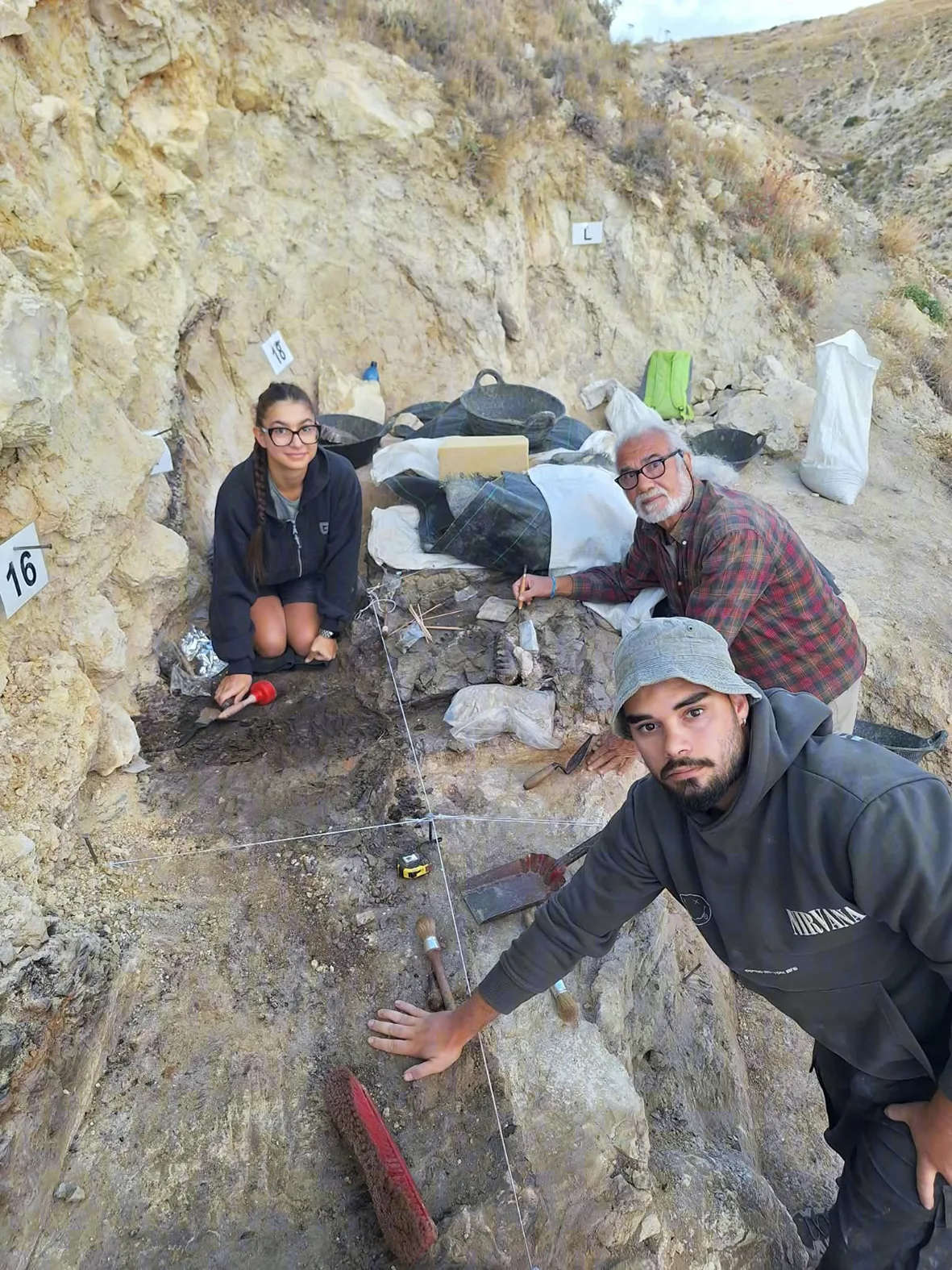
28 people have taken part in the campaign. Fourteen are students divided into two ten-day shifts, from the universities of Florence, Pisa, Autònoma de Barcelona, Granada, Málaga and Almería. The other fourteen make up the scientific team, with four geologists, seven palaeontologists, two archaeologists specialising in documentation and a fossil restorer, from the University of Málaga, ICREA-IPHES-Universitat Rovira i Virgili de Tarragona, ICP-Universitat Autònoma de Barcelona, Universidad Complutense de Madrid, University of Cork (Ireland), University of Pisa (Italy), NOVA University of Lisbon (Portugal) and the Museum of Jerez de la Frontera. Those in charge have again been Antonio Canals, Sergio Ros-Montoya and Bienvenido Martínez-Navarro.
With the 124 records from this campaign, the site has now accumulated 3,375 fossil records. Among the documented fauna there are two species of primitive elephants, mastodons Mammut borsoni and Anancus arvernensis, rhinoceroses, hipparions, small pigs, bovids and cervids, the giant bear Agriotherium, 16 species of small mammals, birds, reptiles, amphibians, fish and plant remains, as well as the last crocodiles that populated Europe.
A site 4.5 million years old
Baza 1 is dated at 4.5 million years old, is located at the Cuesta del Francés, next to the Falla de Baza, and was discovered in May 1996. So far more than 60 square metres have been excavated, much of it partially. The Baza City Council maintains that the quantity and quality of the fossils make the site a unique record on the continent and that it will become one of the jewels of the Geoparque de Granada.
Breaking news from News, on your phone
An alert only when something can't wait. Free, no account needed.
On iPhone, alerts only arrive if you first add GranadaYa to your Home Screen. How to do it, step by step
This browser can't receive alerts. Try another one, such as Chrome or Safari.
You've blocked alerts from GranadaYa in this browser. You can turn them back on in its settings. How to do it, step by step
Only what can't wait. Change or remove it in my alerts
Shall we let you know what matters?
Phone alerts
On iPhone, alerts only arrive if you first add GranadaYa to your Home Screen. How to do it, step by step
This browser can't receive alerts. Try another one, such as Chrome or Safari.
You've blocked alerts from GranadaYa in this browser. You can turn them back on in its settings. How to do it, step by step