
Mieles de Sierra Nevada stop bacteria from food poisoning
Topics Sierra Nevada University of Granada
A study by the UGR and CIAL finds that four Sierra Nevada honeys surpass a commercial honey in phenolic compounds and antibacterial activity.
GranadaYa newsroom ·
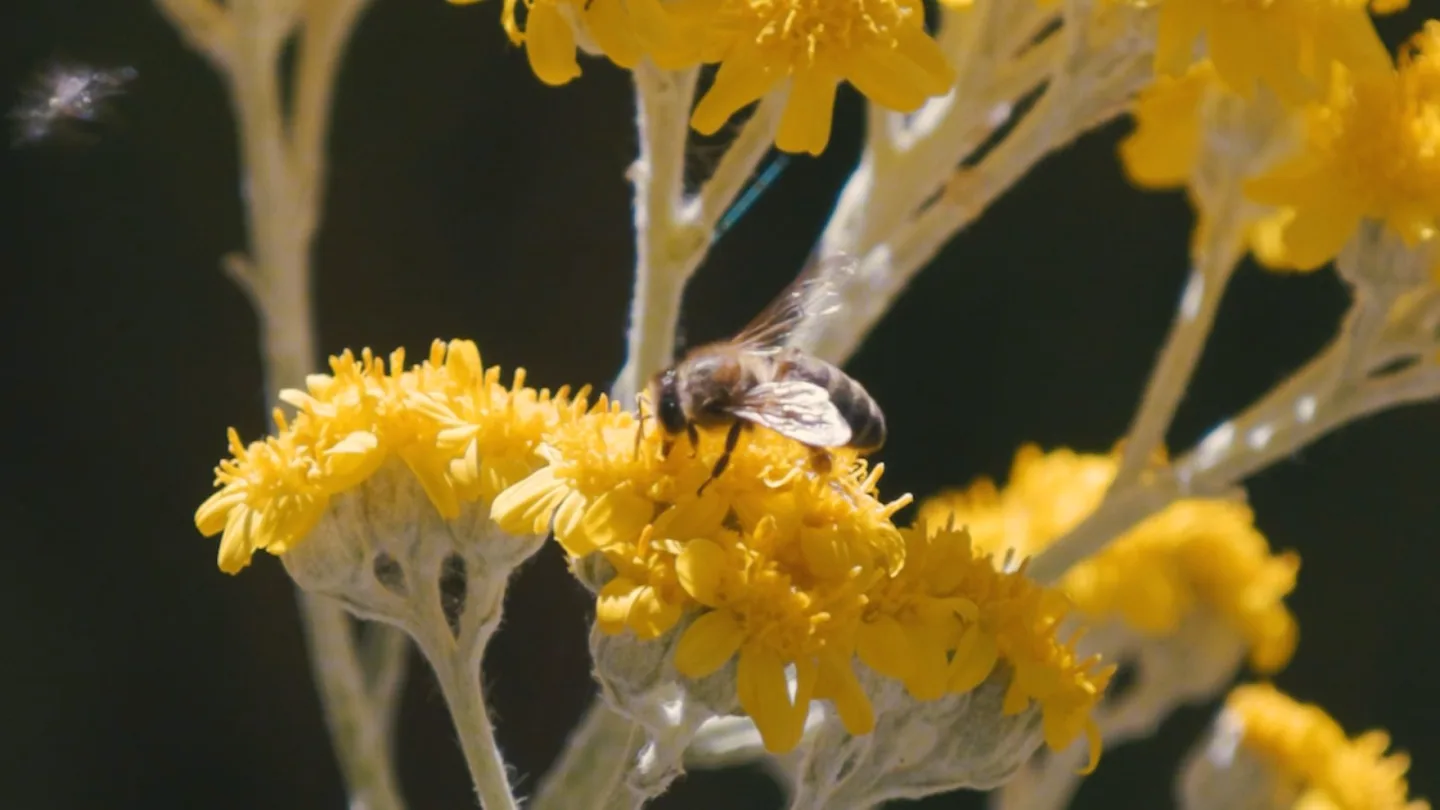
Four honeys from Sierra Nevada have shown the ability to eliminate bacteria that cause foodborne illnesses, such as Escherichia coli, Campylobacter jejuni and Listeria monocytogenes. This has been verified by a team from the University of Granada (UGR) and the Institute of Food Science Research (CIAL, CSIC-UAM), which compared these four honeys with a commercial multifloral honey.
The result is that the four Sierra Nevada honeys exerted a bactericidal effect against those three bacteria. That is, after treatment with honey no colonies were observed in the cultures; no viable bacteria capable of multiplying remained. The commercial reference honey only achieved that effect against Campylobacter jejuni.
The team also analyzed the composition of the samples. The Sierra Nevada honeys generally showed a higher concentration of phenolic compounds and flavonoids, and greater antioxidant capacity than the commercial honey. Among the identified substances are flavonoids such as naringenin, baicalein, pinobanksin and chrysin, as well as various phenolic acids.
Phenolic compounds are natural substances present in foods of plant origin, including honey, and have been linked to antioxidant and, in some cases, antibacterial properties. The statistical analysis found associations between some of these compounds and the activity against certain bacteria, but the researchers stress that the effect cannot be attributed to a single substance. It probably responds to the combined action of several components, such as acidity, the high concentration of sugars, hydrogen peroxide and other bioactive molecules.
To rule out that the effect was due solely to sugar, the team carried out tests with an artificial solution made from the main sugars in honey. That solution did not show significant antibacterial activity against most of the bacteria analyzed. The influence of pH was also evaluated and hydrogen peroxide concentrations were measured, with no substantial differences between the samples in this last parameter.
«The Sierra Nevada honeys present differentiated phenolic profiles and a notable activity against bacteria of importance for food safety,» explains Marta Palma Morales, a researcher in the Department of Nutrition and Food Science at the UGR. The researcher adds that these results reinforce the interest in studying the composition of honey and its relationship with different biological properties.
Foodborne pathogens, such as Escherichia coli, Listeria monocytogenes and Campylobacter jejuni, are a public health problem. Their ability to survive in food and on the surfaces where it is processed makes their control difficult, and growing bacterial resistance has driven the search for natural substances with antimicrobial activity that complement conventional strategies.
According to the researchers, these findings lay the foundations for future research on a possible application in natural food preservation and pathogen control strategies. It will be necessary to delve deeper into the mechanisms involved and evaluate their efficacy in real foods.
The study has been published in the journal Microorganisms, with the reference Palma-Morales, M., Silvan, J. M., Huertas, J. R., Martinez-Rodriguez, A. J. & Rodríguez-Pérez, C. (2026). Antibacterial Properties of Sierra Nevada Honeys Against Foodborne Pathogens: Insights from Targeted Metabolomics and Phenolic Profiling. Microorganisms, 14, 2671.
Before heading out, the hourly forecast for Granada is in GranadaYa weather.
Breaking news from News, on your phone
An alert only when something can't wait. Free, no account needed.
On iPhone, alerts only arrive if you first add GranadaYa to your Home Screen. How to do it, step by step
This browser can't receive alerts. Try another one, such as Chrome or Safari.
You've blocked alerts from GranadaYa in this browser. You can turn them back on in its settings. How to do it, step by step
Only what can't wait. Change or remove it in my alerts
Shall we let you know what matters?
Phone alerts
On iPhone, alerts only arrive if you first add GranadaYa to your Home Screen. How to do it, step by step
This browser can't receive alerts. Try another one, such as Chrome or Safari.
You've blocked alerts from GranadaYa in this browser. You can turn them back on in its settings. How to do it, step by step