The UGR leads the pilots of a European project on museums and AI
Topics University of Granada
The University of Granada coordinates the tests in museums in three countries of the ADAPTECH project, endowed with 1.58 million euros until 2030.
GranadaYa newsroom ·
European museums are going to test over the coming years new ways of addressing their visitors, with generative artificial intelligence tools, extended reality and digital twins. The University of Granada (UGR) will be responsible for putting these tests into practice and measuring what effect they have, according to the academic institution.
The project is called ADAPTECH, brings together eleven entities from five European countries and has 1,582,020 euros from the Horizon Europe programme and the Marie Skłodowska-Curie actions. Of that amount, 227,480 euros correspond to the UGR. The initiative will run between 2026 and 2030.
The underlying idea is that each visitor receives an experience adapted to their interests, to what they already know and to their accessibility needs. To this end, work will be done on personalised audiovisual narratives, immersive experiences, digital reconstructions of heritage elements and tools to analyse how the public moves through cultural spaces. Data protection, the transparency of content generated with artificial intelligence and the prevention of bias will also be taken into account.
Four tests in real museums
The Granada team will launch at least four pilot projects in museums in three European countries, where it will be checked how these solutions work in real contexts. In addition, it will design the methods to evaluate not only whether the technology works, but also its cultural, educational and social value: what visitors understand, how they rate the experience, whether it is accessible and whether they participate and learn.
The UGR contributes knowledge from the arts, humanities and social sciences to the design of these experiences, and coordinates one of the four major scientific packages of the project. The team is led by Ana García López, professor at the Faculty of Fine Arts, and includes specialists in cultural heritage, museology, art history, design, education, economics and social inclusion.
García López has stated that «the museums of the future will not be defined by the amount of technology they incorporate, but by their capacity to generate more meaningful, inclusive and enriching relationships between people and heritage».
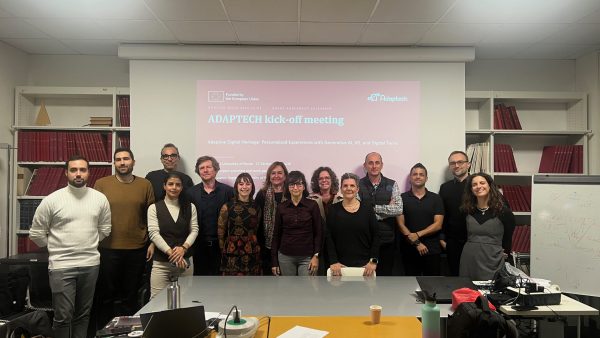
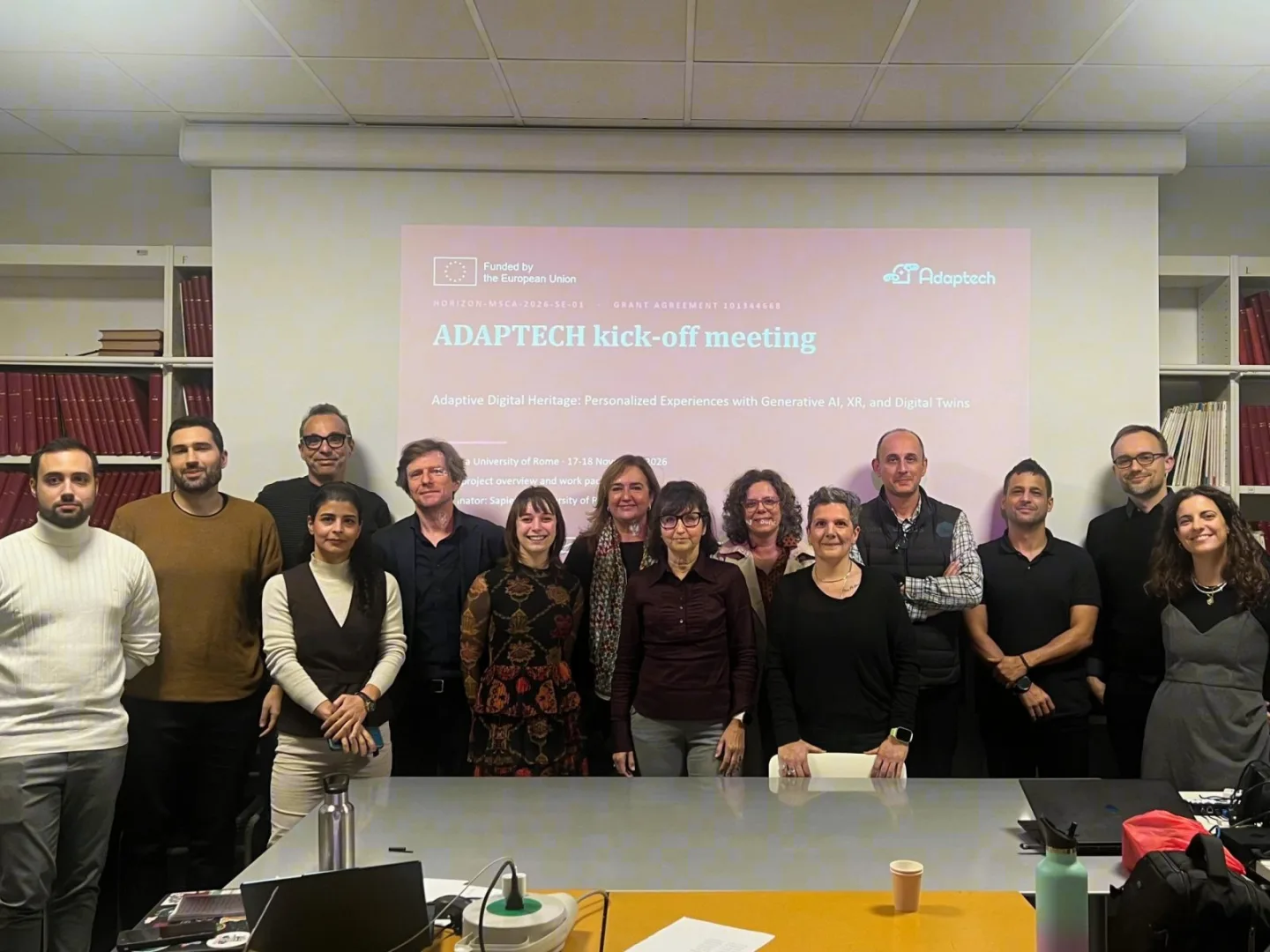
The launch meeting was held at Sapienza University of Rome, which coordinates the initiative. The UGR will also organise two international meetings on multicultural audiences, artificial intelligence ethics and validation of new mediation strategies in museums.
Breaking news from News, on your phone
An alert only when something can't wait. Free, no account needed.
On iPhone, alerts only arrive if you first add GranadaYa to your Home Screen. How to do it, step by step
This browser can't receive alerts. Try another one, such as Chrome or Safari.
You've blocked alerts from GranadaYa in this browser. You can turn them back on in its settings. How to do it, step by step
Only what can't wait. Change or remove it in my alerts
Shall we let you know what matters?
Phone alerts
On iPhone, alerts only arrive if you first add GranadaYa to your Home Screen. How to do it, step by step
This browser can't receive alerts. Try another one, such as Chrome or Safari.
You've blocked alerts from GranadaYa in this browser. You can turn them back on in its settings. How to do it, step by step