Young stars next to the Sun draw a galaxy in pieces
Topics Instituto de Astrofísica de Andalucía
A study by the University of Cádiz and the Instituto de Astrofísica de Andalucía describes spiral arms more fragmented than previously thought.
GranadaYa newsroom ·
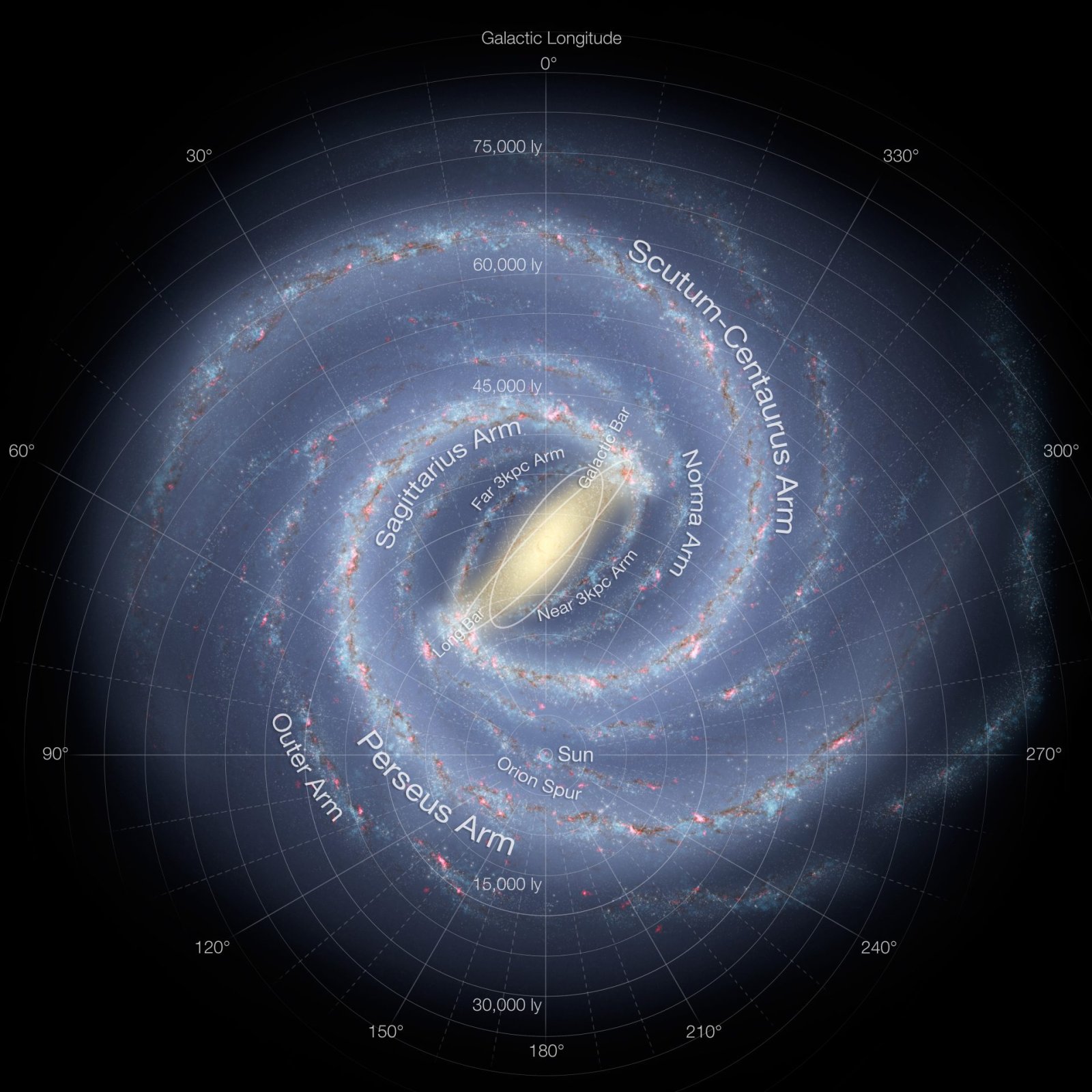
The arms of the Milky Way near the Sun would not be a few continuous bands, but a set of segments, branches and groups of stars connected to each other. This is the conclusion of a study by M. Carmen Sánchez-Gil, of the University of Cádiz (UCA), and Emilio J. Alfaro, of the Institute of Astrophysics of Andalusia (IAA-CSIC), published in the journal Astronomy & Astrophysics.
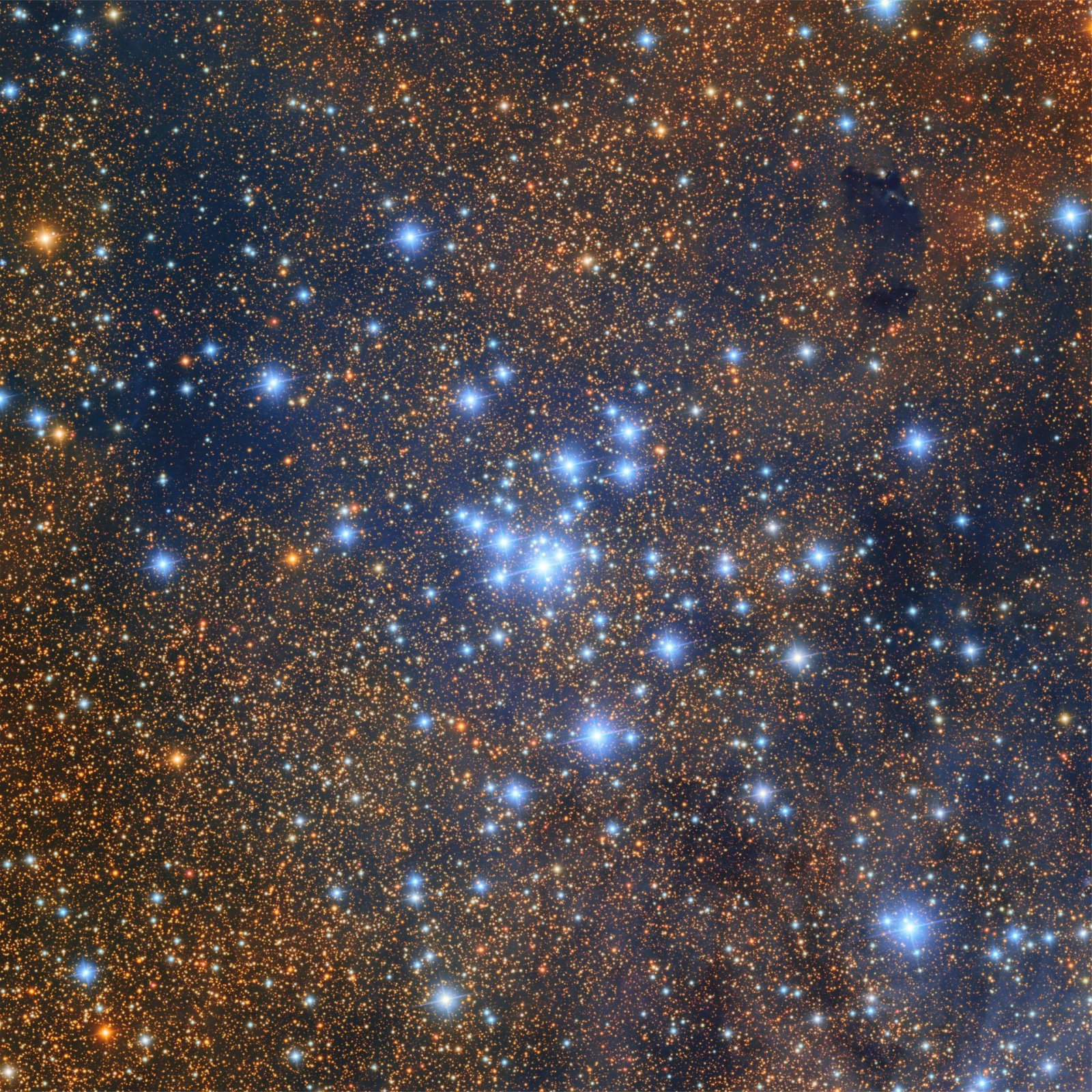
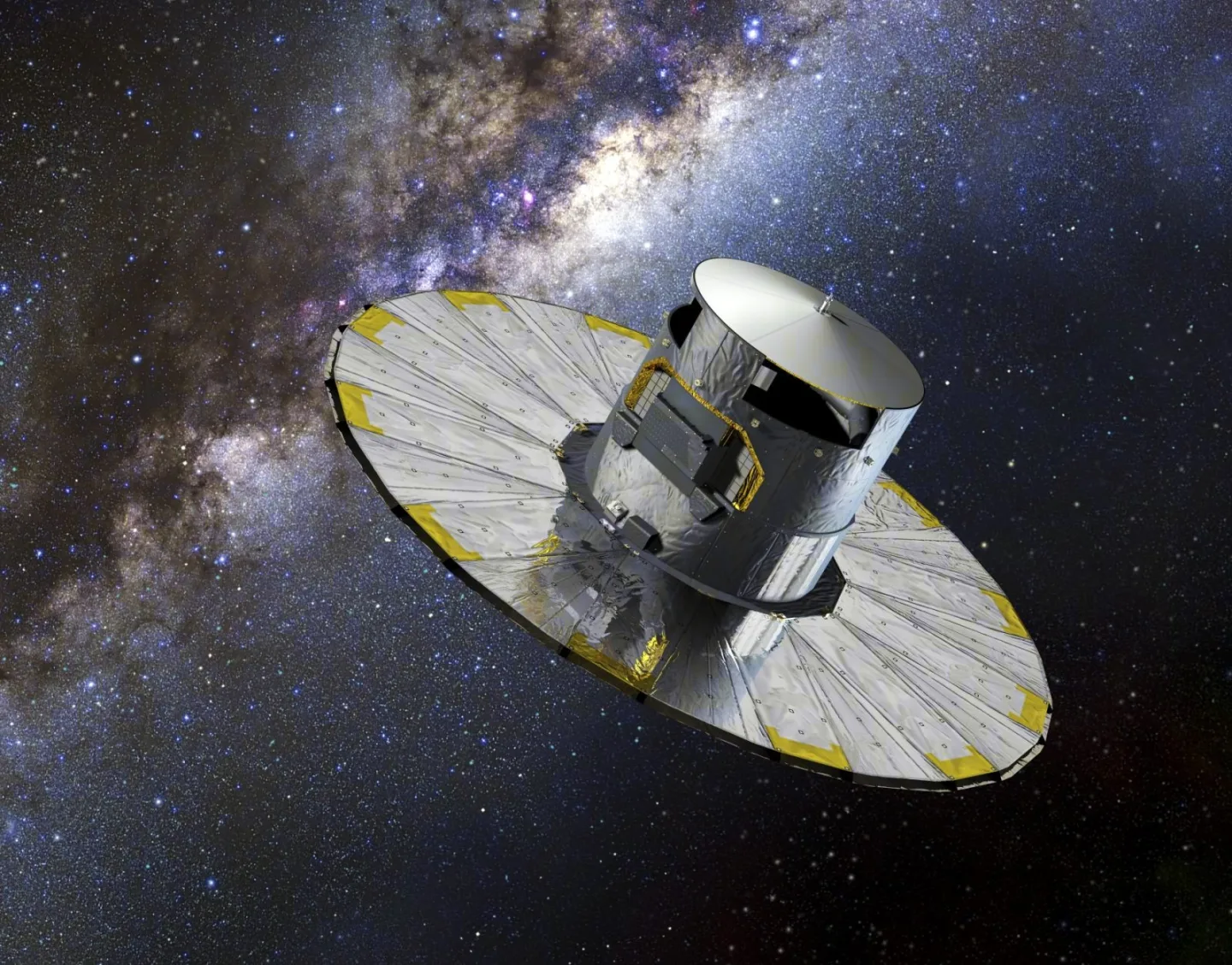
The researchers have worked with high-precision data from the European Space Agency's Gaia mission, together with catalogues of star clusters and of regions where stars are born. They have studied young clusters, less than 30 million years old, within a radius of about 14,700 light years around the Sun.
The novelty lies in the method: instead of starting from a prior drawing of the arms and assigning stars to them, they looked for groupings without preconceived ideas and then studied how they connect, with the help of graph theory.
Some of the structures found correspond to the Perseus, Orion, Sagittarius and Scutum arms, and others appear to link those arms like bridges. Both methods point to a possible structure between the Local Arm, the Sun's arm, and the Sagittarius Arm, although the authors warn that a real connection between them has not been demonstrated. The stretch of the Local Arm also has an orientation that does not quite fit the one usually used as a reference.
The result describes the shape, not the causes, according to the IAA. Understanding what produces it will require more data, such as the speed of the stars and their chemical composition.
Breaking news from News, on your phone
An alert only when something can't wait. Free, no account needed.
On iPhone, alerts only arrive if you first add GranadaYa to your Home Screen. How to do it, step by step
This browser can't receive alerts. Try another one, such as Chrome or Safari.
You've blocked alerts from GranadaYa in this browser. You can turn them back on in its settings. How to do it, step by step
Only what can't wait. Change or remove it in my alerts
Shall we let you know what matters?
Phone alerts
On iPhone, alerts only arrive if you first add GranadaYa to your Home Screen. How to do it, step by step
This browser can't receive alerts. Try another one, such as Chrome or Safari.
You've blocked alerts from GranadaYa in this browser. You can turn them back on in its settings. How to do it, step by step