
A photobook portrays the living memory of the Altiplano de Huéscar
Topics Diputación de Granada Huéscar
Susana Girón signs 'Alma Altiplano', a work that documents the traditions of the six municipalities of the region and their relationship with the Geoparque.
GranadaYa newsroom ·
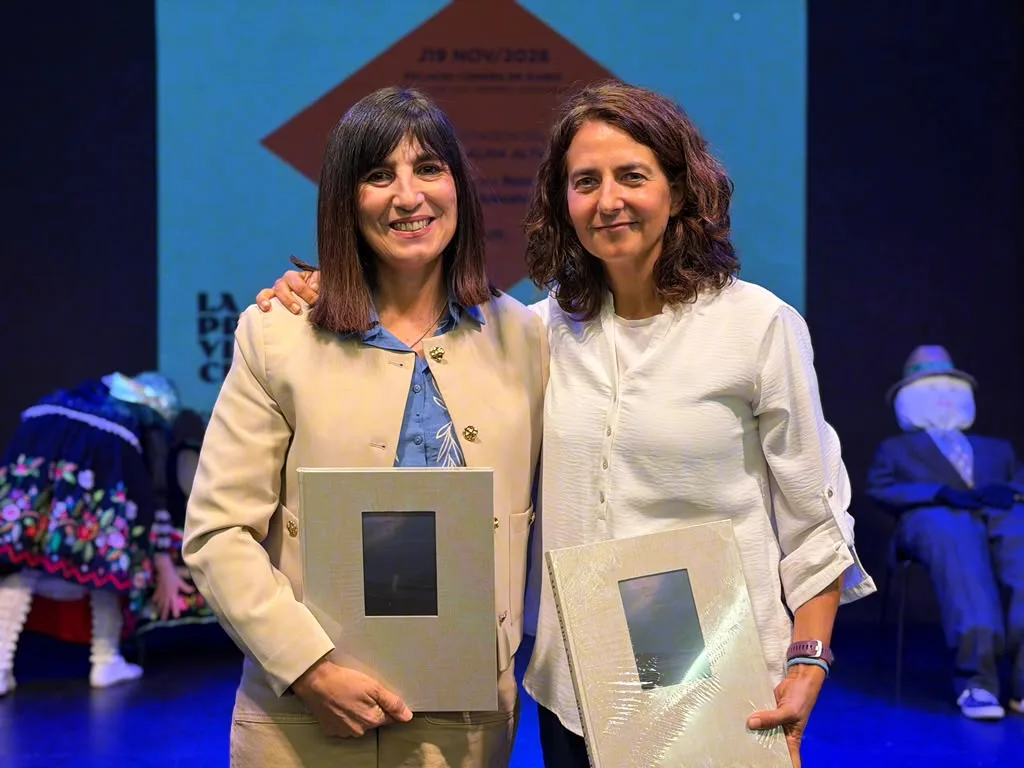
The traditions that are sung, danced and cooked in the region of Huéscar now have a portrait on paper. The photographer Susana Girón signs the photobook 'Alma Altiplano', a research and photographic creation project on the intangible heritage of the six municipalities of the region, promoted by the Diputación de Granada and the Mancomunidad de Municipios de la Comarca de Huéscar, with the collaboration of the Geoparque de Granada.
The work moves in two terrains at once. On the one hand, it is an ethnographic research that collects knowledge, ways of life, customs and traditions of the area. On the other, it is an artistic proposal in which Girón's photography builds its own narrative. The result was presented at an event with cuadrillas from the area, the recreation of a pedida de novia by the Cuadrilla Cuesta de las Chinas, a display of the danzantes de Orce, bordadoras de refajos and figurantes of the Cascaborras and the Inocentes. It closed with a tasting of wines and tapas from the region in collaboration with Sabor Granada.
A path that comes from afar
The region has spent years recovering and documenting its ethnographic and folkloric heritage. Before this photobook there are the audiovisual work of Sergio Núñez, integrated into the Enciclopedia del Folclore, and the documentary research of the historian María Rosillo, which gave rise to an article on this heritage. 'Alma Altiplano' gathers that journey and expands it with new research tools and an artistic proposal designed to reach new audiences.
The collaboration of the Geoparque de Granada opens the door for the work done in Huéscar to serve as a reference for extending the documentation of intangible heritage to the entire territory of the Geoparque, recognizing the cultural diversity of its municipalities and the relationship between landscape, memory and ways of life.
The deputy of Culture and Education, Pilar Caracuel, has stated that intangible heritage «is something alive, that happens, that transforms, that adapts and that needs people to continue existing». The deputy of European Funds, Development, Industry and Employment, Antonio Díaz, has stressed that the sustainable development of the villages and the fight against depopulation depend on protecting and projecting their identity. The presentation also featured the anthropologist Aniceto Delgado Méndez, researcher at the Instituto Andaluz del Patrimonio Histórico (IAPH), the president of the Mancomunidad, Raquel Guijarro, mayors of the municipalities involved and people who have been part of the research.
Breaking news from News, on your phone
An alert only when something can't wait. Free, no account needed.
On iPhone, alerts only arrive if you first add GranadaYa to your Home Screen. How to do it, step by step
This browser can't receive alerts. Try another one, such as Chrome or Safari.
You've blocked alerts from GranadaYa in this browser. You can turn them back on in its settings. How to do it, step by step
Only what can't wait. Change or remove it in my alerts
Shall we let you know what matters?
Phone alerts
On iPhone, alerts only arrive if you first add GranadaYa to your Home Screen. How to do it, step by step
This browser can't receive alerts. Try another one, such as Chrome or Safari.
You've blocked alerts from GranadaYa in this browser. You can turn them back on in its settings. How to do it, step by step