
The UGR places 187 researchers among the world's most influential, its fourth record in a row
Topics University of Granada
The University of Granada places 187 of its researchers in the Stanford ranking, 19 more than in the previous edition. It is the fourth consecutive year in which the institution surpasses its own maximum.
GranadaYa newsroom ·
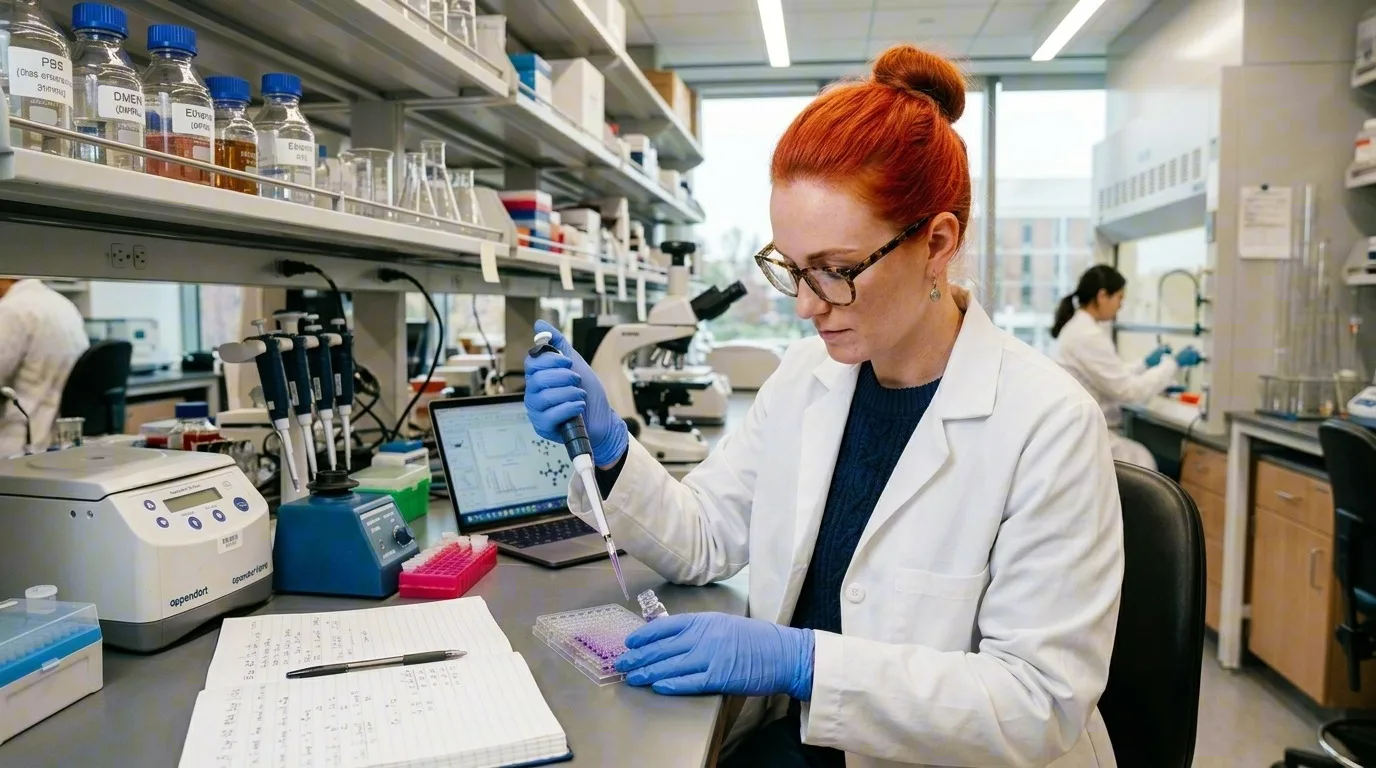
The University of Granada (UGR) has placed 187 of its researchers among the most influential in the world in the latest edition of the ranking produced by Stanford University. That is 19 more than in the previous edition, when 168 were counted, and 31 more than in 2023, when there were 156. It is the fourth consecutive year in which the UGR beats its own record.
Two classifications and a total of 187 names
The list, called Ranking of the World Scientists: World's Top 2% Scientists, measures the impact of scientists based on the citations collected in the Scopus database. It is coordinated by Professor John Ioannidis, of Stanford University, and Elsevier updated it last October 7.
The classification has two categories. In the one that evaluates the entire research career, the UGR reaches 115 researchers, compared with 104 in the previous edition and 96 in 2024. In the one that analyzes only the impact of 2025 publications, the institution adds 144 researchers, 12 more than the previous time.
By cross-referencing both lists and avoiding duplicates, the total is 187 researchers. Of these, 72 appear in both categories at the same time, six more than last year, and 28 enter one of the two for the first time.
Artificial Intelligence and Nuclear Physics, the fastest-growing areas
By discipline, Artificial Intelligence and Image Processing is the area with the largest presence, with 30 researchers, two more than the previous year. It is followed by Nuclear and Particle Physics, with 12 researchers and an increase of five compared with the previous edition, and Dentistry, with ten, one fewer.
The areas with the most representation are completed by Pharmacology and Pharmacy, with nine researchers; Food Sciences, Mathematics, Sports Sciences and Analytical Chemistry, with seven each. Of these, Sports Sciences adds one more researcher and Analytical Chemistry, two.
According to the University of Granada, these results reflect a positive evolution of the institution in scientific impact indicators and its growing presence in one of the reference international classifications.
Breaking news from News, on your phone
An alert only when something can't wait. Free, no account needed.
On iPhone, alerts only arrive if you first add GranadaYa to your Home Screen. How to do it, step by step
This browser can't receive alerts. Try another one, such as Chrome or Safari.
You've blocked alerts from GranadaYa in this browser. You can turn them back on in its settings. How to do it, step by step
Only what can't wait. Change or remove it in my alerts
Shall we let you know what matters?
Phone alerts
On iPhone, alerts only arrive if you first add GranadaYa to your Home Screen. How to do it, step by step
This browser can't receive alerts. Try another one, such as Chrome or Safari.
You've blocked alerts from GranadaYa in this browser. You can turn them back on in its settings. How to do it, step by step