
The maternal RSV vaccine reduces infant hospitalizations by 74%, according to a study with UGR participation
Topics University of Granada
An international study led by the universities of Edinburgh and Granada analyzes more than four million pregnancies and concludes that vaccination during pregnancy protects the baby from birth, although coverage remains low.
GranadaYa newsroom ·
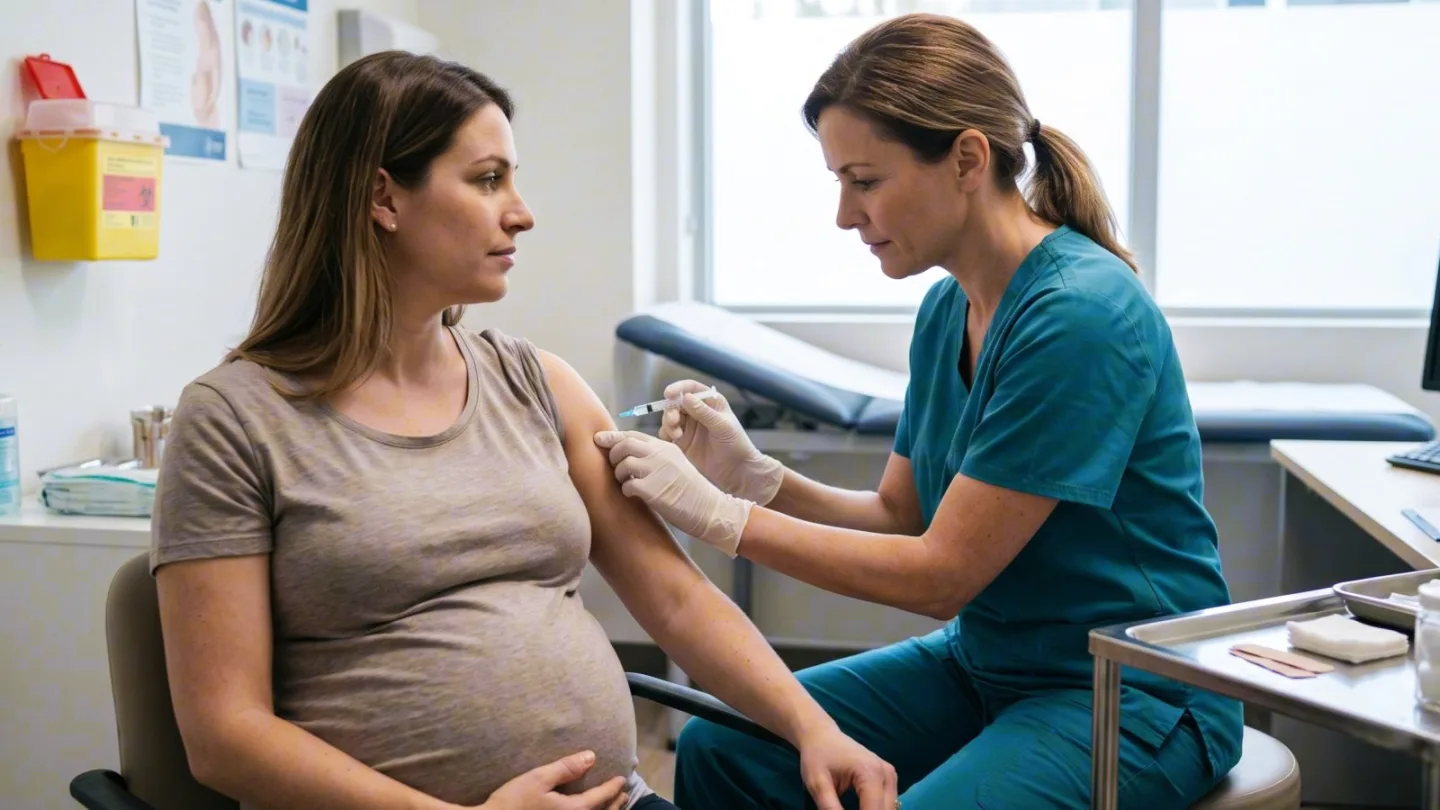
Vaccination against respiratory syncytial virus (RSV) during pregnancy reduces the risk of the baby being hospitalised for this virus before six months of age by around 74 %. This is the main conclusion of an international study in which the University of Granada (UGR) participates and which has been published in The Lancet Regional Health – Europe.
RSV is one of the viruses that causes the most severe respiratory infections in the first months of life. The vaccine administered to the mother causes her to generate antibodies that pass to the foetus, so that the baby is born already protected.
Uneven coverage
The research, developed together with the University of Edinburgh, has analysed data from more than four million pregnancies collected between 2023 and 2025 in 16 studies. The results show that coverage of these programmes has been low in many countries and that there are differences between socioeconomic and ethnic groups, between those with less access to health services and among younger mothers.
In Scotland, coverage reached 62 % of pregnant women in October 2025, and in England 58 % in August 2025. In the United States it was estimated at 27 % during the first year it was available. These figures are below those of other vaccines recommended in pregnancy, such as the whooping cough vaccine.
When to get vaccinated
The study also notes that protection is greater if the vaccine is administered at least two weeks before delivery, so facilitating access at the start of the indicated period helps it to be more effective. Regarding safety, the analysis of more than 16,000 pregnancies found no evidence of more premature births among those vaccinated between weeks 32 and 35.
Dr Ting Shi, from the Usher Institute at the University of Edinburgh, notes that the results "match what was expected in the clinical trials" and that "the vaccine itself appears safe and effective; the next challenge is to ensure that all the people who could benefit from it actually receive it".
Dr Evelyn Balsells, a lecturer at the UGR and one of the authors, stresses that "efforts to increase coverage and reduce inequalities will be essential to maximise the benefits of maternal vaccination against RSV".
Researchers from Public Health Scotland, the Pan American Health Organization (PAHO/WHO) and six other universities in the United Kingdom have also participated in the work. More than 30 countries have already introduced maternal vaccination against RSV.
Breaking news from News, on your phone
An alert only when something can't wait. Free, no account needed.
On iPhone, alerts only arrive if you first add GranadaYa to your Home Screen. How to do it, step by step
This browser can't receive alerts. Try another one, such as Chrome or Safari.
You've blocked alerts from GranadaYa in this browser. You can turn them back on in its settings. How to do it, step by step
Only what can't wait. Change or remove it in my alerts
Shall we let you know what matters?
Phone alerts
On iPhone, alerts only arrive if you first add GranadaYa to your Home Screen. How to do it, step by step
This browser can't receive alerts. Try another one, such as Chrome or Safari.
You've blocked alerts from GranadaYa in this browser. You can turn them back on in its settings. How to do it, step by step