UGR recognizes three electronics and materials laboratories
Topics University of Granada
The Governing Council of the University of Granada approves the distinction of three scientific infrastructures dedicated to sustainable electronics, advanced computing and the study of materials.
GranadaYa newsroom ·
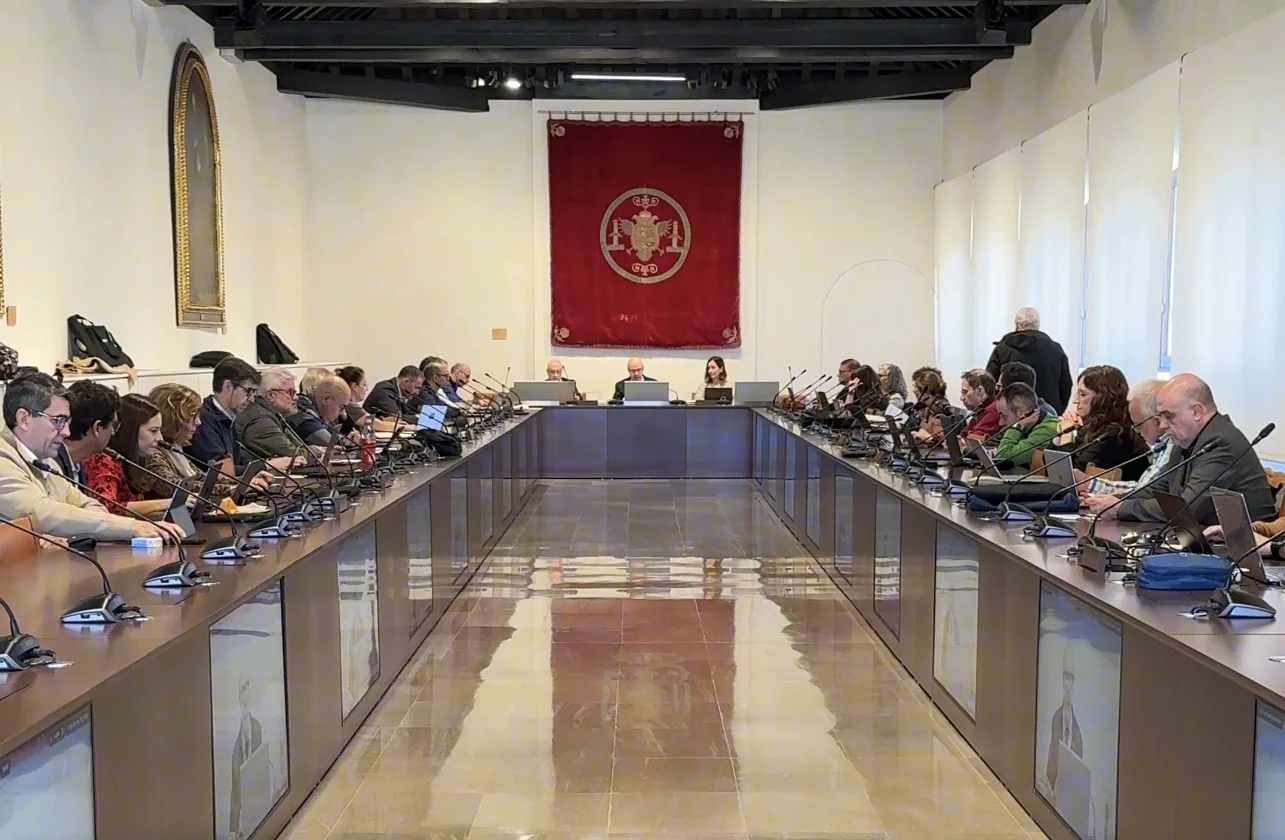
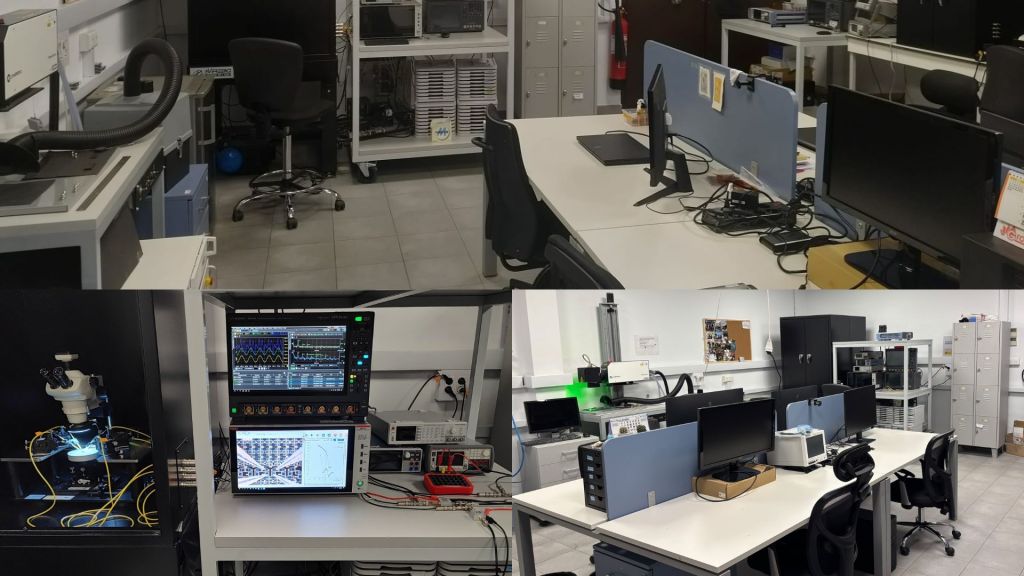
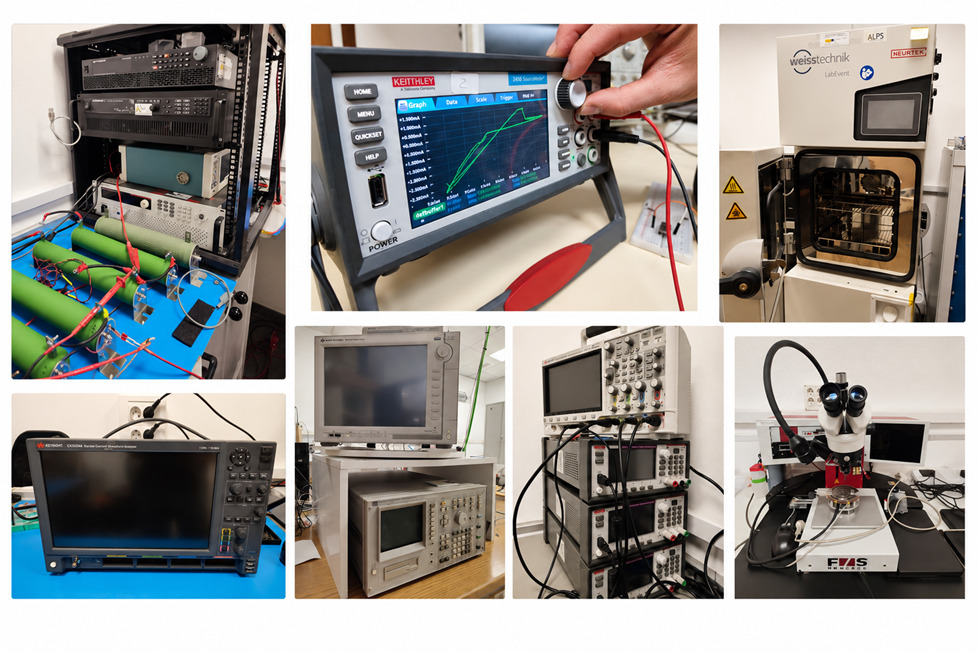
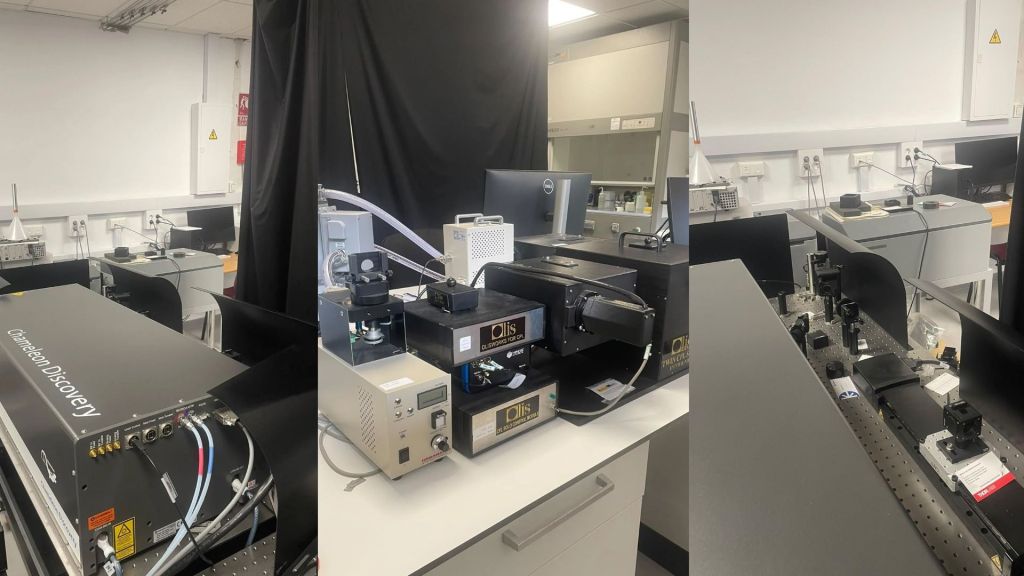
Three laboratories of the University of Granada (UGR) are now considered Singular Laboratories. The institution's Governing Council approved this recognition on Friday for the Energy-Efficient and Sustainable Electronics Laboratory (E3S), also known as PEARL-Lab; Mnemosine, focused on memristance and adaptive intelligent electronics; and ChiroLab-UGR, dedicated to chiroptical spectroscopy. All three have specialized equipment and work on current challenges in electronics and materials science, according to UGR.
The first, PEARL-Lab, directed by Andrés Godoy Medina, studies the entire life cycle of electronic devices: from the materials they are made with to their recycling or degradation, including energy harvesting and information processing. It seeks components made with more sustainable and biodegradable materials, systems that capture energy from the environment to operate autonomously, and brain-inspired ways of processing information to make artificial intelligence more efficient. The goal is to do more with less energy, both in small connected devices and in large data centers.
Mnemosine specializes in electronic components capable of remembering information about their previous operation, the so-called memristors and other mem-elements, whose electrical response depends on what has happened to them previously. It brings together in a single laboratory all stages of research, from manufacturing and experimental study to the creation of models to simulate their operation. It works on neuromorphic computing, on improving digital security through the generation of random numbers, and on adaptive circuits, smart sensors and flexible devices, with applications in artificial intelligence, semiconductors and cybersecurity.
The third, ChiroLab-UGR, is dedicated to chiroptical spectroscopy, a technique that studies how light interacts with certain molecules and materials, in particular with chiral structures, those that, like hands, have a mirror image that cannot be exactly superimposed on the original. It has equipment that allows analyzing how these materials absorb and emit circularly polarized light, both dissolved and in solid state or in very thin films. Its applications point to biomedicine, imaging to study biological processes, biotechnology and the development of devices that work with light.
Breaking news from News, on your phone
An alert only when something can't wait. Free, no account needed.
On iPhone, alerts only arrive if you first add GranadaYa to your Home Screen. How to do it, step by step
This browser can't receive alerts. Try another one, such as Chrome or Safari.
You've blocked alerts from GranadaYa in this browser. You can turn them back on in its settings. How to do it, step by step
Only what can't wait. Change or remove it in my alerts
Shall we let you know what matters?
Phone alerts
On iPhone, alerts only arrive if you first add GranadaYa to your Home Screen. How to do it, step by step
This browser can't receive alerts. Try another one, such as Chrome or Safari.
You've blocked alerts from GranadaYa in this browser. You can turn them back on in its settings. How to do it, step by step